Mediterranean biotope: recreating a posidonia meadow in your aquarium
Introduction: the hidden beauty right on our doorstep
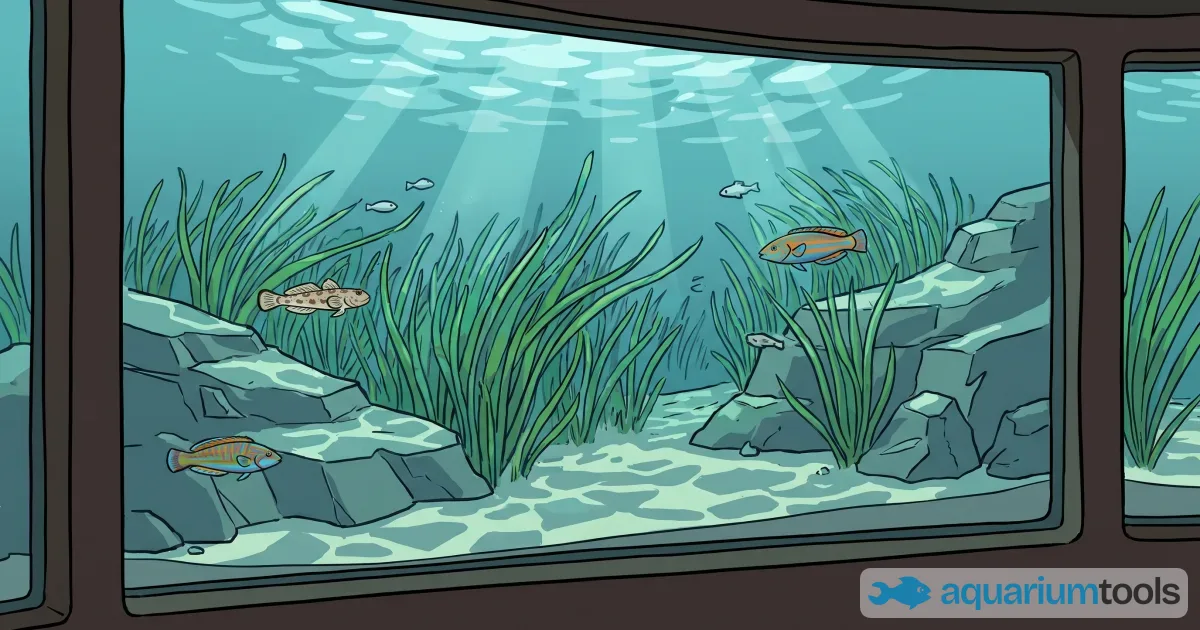
When we think of a marine aquarium, we immediately picture the tropical coral reef with its vivid colours. Yet just a few metres from our own coasts lies one of the most precious ecosystems on the planet: the Posidonia oceanica meadow. This higher plant (a seagrass, not an alga) forms submerged expanses that are known as the "green lung" of the Mediterranean, because they produce oxygen, stabilise the seabed, capture carbon and provide shelter for hundreds of species.
Recreating a Mediterranean biotope means celebrating this richness with a different approach. The temperate aquarium - kept cool or moderate - represents a paradigm shift: less energy-intensive, more sustainable and able to tell a natural story that belongs to us, instead of the classic and costly tropical reef.
Head to head: Mediterranean aquarium vs. tropical reef
Before setting up the tank, it is useful to understand the structural differences between the two systems. The tropical reef requires high, constant temperatures, powerful lighting and very carefully controlled water chemistry; the Mediterranean biotope instead relies on cool thermal stability and management simplicity.
| Parameter | Mediterranean aquarium | Tropical reef |
|---|---|---|
| Operating temperature | 15-18 °C (winter), 22-24 °C (summer) | 24-27 °C constant |
| Energy consumption | Chiller in summer, minimal heating | Intense heaters and lighting all year round |
| Vegetation | Native seagrasses and algae | Corals with symbiotic zooxanthellae |
| Chemical triad (Ca, KH, Mg) | Simple management, not very critical | Constant monitoring and dosing |
| Species supply chain | Local captive-bred or legal fauna | Import from tropical seas |
Managing temperature and water parameters
The heart of the project is temperature. The Mediterranean is a temperate sea: in the tank you need to recreate an ideal seasonal range of around 15-18 °C in winter and not exceed 22-24 °C in summer. Enemy number one is the summer temperature spikes, which can prove fatal for seahorses and invertebrates. For this reason the chiller is not an optional accessory, but the strategic tool around which the entire setup revolves.
The reference water chemistry parameters are those typical of the basin:
- Salinity: 37-38%% (SG 1.027-1.028), slightly higher than that of the open ocean;
- pH: 8.1-8.3, stable;
- Nitrates and phosphates: kept low, with good filtration and regular water changes.
In energy terms, the advantage is clear: no high-power heaters and a much lower lighting requirement than hard acroporid corals. Native seagrasses and algae thrive under moderate lighting, cutting management costs.
Layout, hardscape and substitutes for Posidonia oceanica
For the substrate, aragonite sand or medium-grain marine sand is preferred, with the presence of organic and mineral detritus that helps recreate the natural seabed of the posidonia meadow. A sufficiently deep layer favours the rooting of the seagrasses.
The hardscape must be consistent from an eco-geographical standpoint: native limestone or sandstone rock, never tropical imported live rock. Alongside this come the vegetation "mats", which give depth and structure to the layout.
Now we come to the most delicate point. Posidonia oceanica is a strictly protected species: removing it from the seabed is forbidden by law, as well as harmful to an ecosystem that grows by only a few centimetres a year. It must never be introduced into an aquarium by collecting it in the wild. There are, however, ethical and legal alternatives, partly seagrasses like Posidonia itself and partly algae (which remain biologically different things):
- Cymodocea nodosa - a native marine seagrass, more adaptable than Posidonia;
- Halophila stipulacea - a seagrass found in the eastern Mediterranean;
- Caulerpa prolifera - a green alga, not a higher plant, useful for background greenery;
- native captive-grown red or brown algae, to enrich biodiversity.
It is essential not to confuse seagrasses (like Posidonia and Cymodocea) with algae (like Caulerpa): they are distinct biological groups with different needs.
Selecting the fauna and husbandry profiles
Mediterranean seahorses
The true stars of the biotope are Hippocampus hippocampus and Hippocampus guttulatus. They require spacious, tall tanks, gentle water flows (not turbulent) and numerous natural perches to anchor themselves to with their tails. Feeding is specific and demanding: mysis, small crustaceans and copepods, provided regularly. It is essential to obtain only captive-bred specimens.
Temperate-water blennies and gobies
Lively bottom-dwelling fish with charming behaviour, ideal for this environment: Salaria pavo, Parablennius gattorugine and Gobius bucchichi. They tend to be territorial but adapt very well to aquarium life, offering constant interactions to observe.
Invertebrates and support fauna
To complete the biological balance you can introduce cleaner shrimp such as Palaemon serratus and Lysmata seticaudata, detritivorous snails and, in moderation, sea urchins like Paracentrotus lividus. Be careful with the latter: an excessive number leads to overly intense grazing of algae and vegetation.
Legal and conservation note
This section is not optional. Responsible Mediterranean aquarium keeping is founded on strict respect for the regulations. Collection in the wild is subject to severe restrictions: the Habitats Directive and the Marine Strategy Framework Directive protect priority habitats and species, CITES regulates international trade, and Marine Protected Areas impose specific collection bans.
In practice: Posidonia oceanica must never be uprooted from the seabed, many species cannot be collected, and sourcing must come from certified farms or legal trade. The goal is not to impoverish the sea but to celebrate it: a well-managed Mediterranean aquarium becomes a tool for education and conservation, not for plunder.
Conclusion: the elegance of simplicity
The Mediterranean biotope proves that you do not need to chase the exotic colours of the tropics to have a fascinating aquarium. Green, blue and sandy tones, the slow dance of the seahorses and the liveliness of the blennies tell the story of the seas right on our doorstep. With reduced energy consumption, simpler chemistry and strong educational value, this approach combines aesthetics, sustainability and responsibility. Rediscovering the posidonia meadow within the walls of a tank ultimately means learning to protect it outside as well.
Keep reading
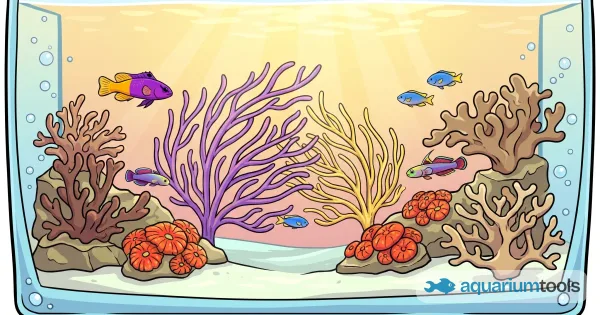
Caribbean Biotope: Corals and Fish of the Tropical Atlantic
A complete guide to recreating the Caribbean reef in your aquarium: swaying gorgonians, brain corals, Ricordea florida and iconic fish like the Gramma loreto, with a direct comparison to the Indo-Pacific reef.
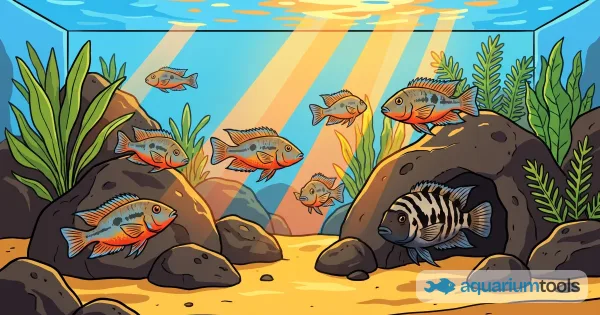
Central American Biotope: Rocks, Sand and Charismatic Cichlids
A practical guide to setting up a biotope aquarium from Mexico and Central America: water parameters, hardscape, iconic species and temperament management.
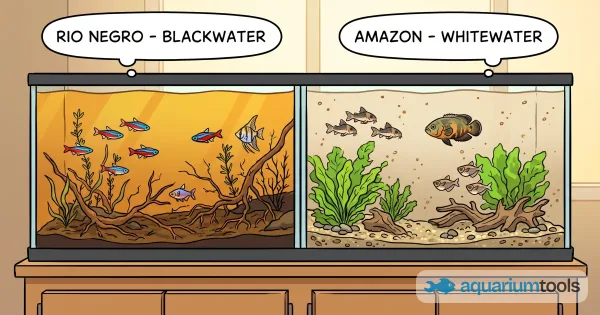
Amazonian whitewater biotope: an ecosystem different from the Rio Negro
Discover the Amazonian whitewater biotope: Andean origins, water chemistry, aquarium setup and typical fauna, compared with the famous blackwaters of the Rio Negro.
All material on this site is protected by copyright. Partial or total copying and republishing without authorization is not allowed.
Comments
Join the conversation
Create a free account to leave a comment. It only takes a minute and you'll come right back here.
No comments yet. Be the first to share your experience.