Common Fish Diseases: How to Recognise and Treat Them
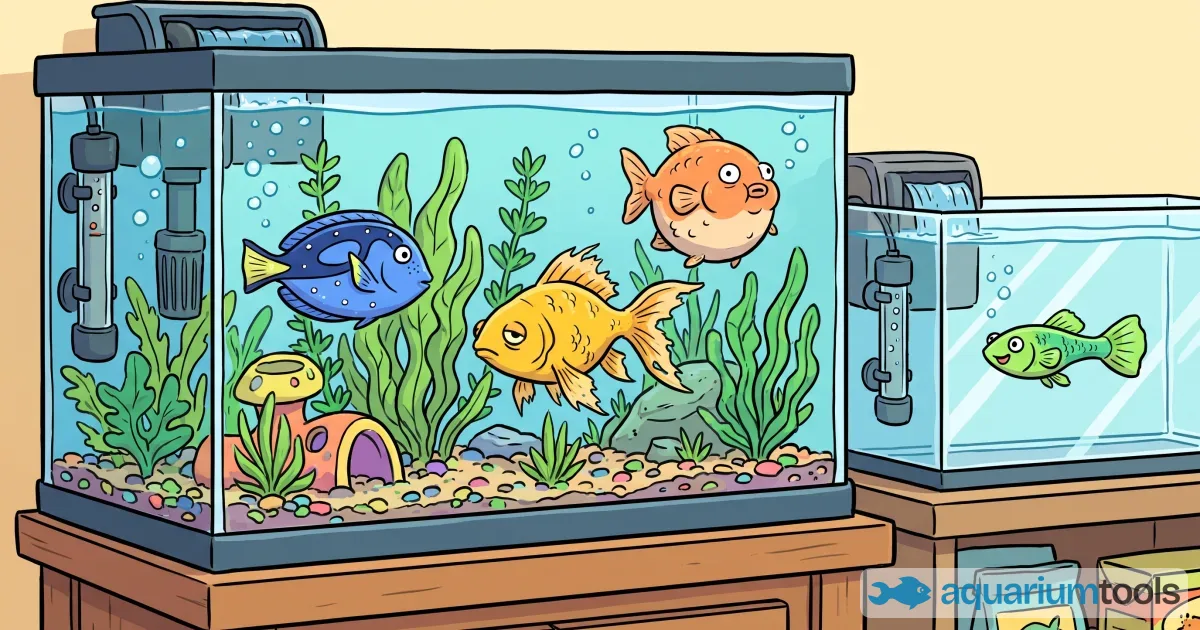
Even in a well-managed aquarium, fish can fall ill. The good news is that many common diseases can be recognised with a little attention and, if tackled in time, are entirely curable. In this guide you'll find the most widespread diseases, with symptoms, causes, treatments and prevention. Remember, however, that this article is no substitute for the advice of a veterinarian experienced in fish: for serious cases, diagnostic doubts or infections that don't respond to treatment, consult a professional.
Why quarantine is your first line of defence
Most problems enter the tank along with new arrivals: fish, plants and even the water in the bag can carry parasites and bacteria. This is why quarantine is the single most effective preventive measure there is.
In practice, every new fish should spend 2 to 4 weeks in a separate tank equipped with a mature filter, a heater and hiding places. During this period you can observe the animal's behaviour, check that it is feeding properly and intervene at once at the first signs of illness, without putting the entire population of the main tank at risk.
- Keep the parameters stable and the water clean in the quarantine tank.
- Don't share nets, siphons or accessories between tanks without disinfecting them.
- Observe breathing, swimming, colours and appetite every day.
Quarantine also doubles as a hospital tank: having a separate tank ready allows you to treat a sick fish without medicating the entire aquarium and without harming the beneficial bacteria of the biological filter.
Ich (white spot disease)
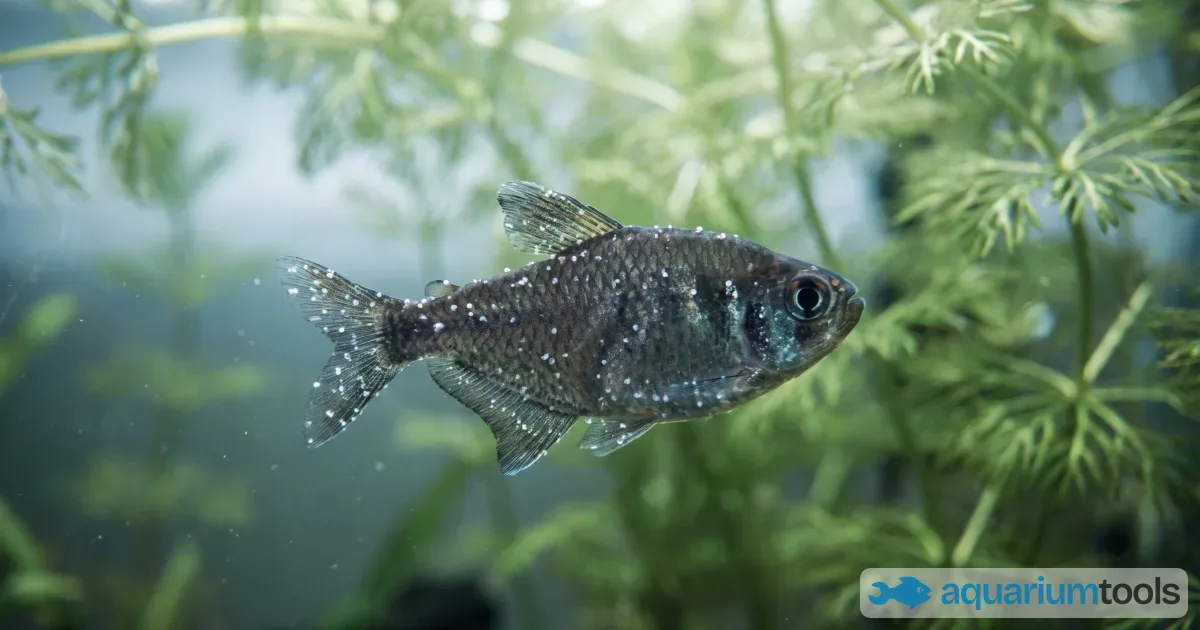
This is probably the most frequent disease in the aquarium, caused by the parasitic protozoan Ichthyophthirius multifiliis.
Visible symptoms
- Small white spots, resembling grains of salt or sugar, on the body, fins and gills.
- The fish rubs against rocks and decorations ("flashing").
- Clamped fins, rapid breathing and apathy in advanced cases.
Main causes
Temperature swings, stress, the introduction of infected fish without quarantine and poor water quality all encourage the appearance of the parasite.
Treatment
The parasite is vulnerable only during its free-swimming phase in the water. You intervene with specific anti-ich products and, if the species in the tank tolerate it, with a gradual increase in temperature to speed up the parasite's cycle. Always complete the full course of treatment indicated, even when the spots disappear, in order to eliminate the stages not yet affected.
Prevention
Quarantine new fish, keep the temperature stable and reduce stress.
Fin rot
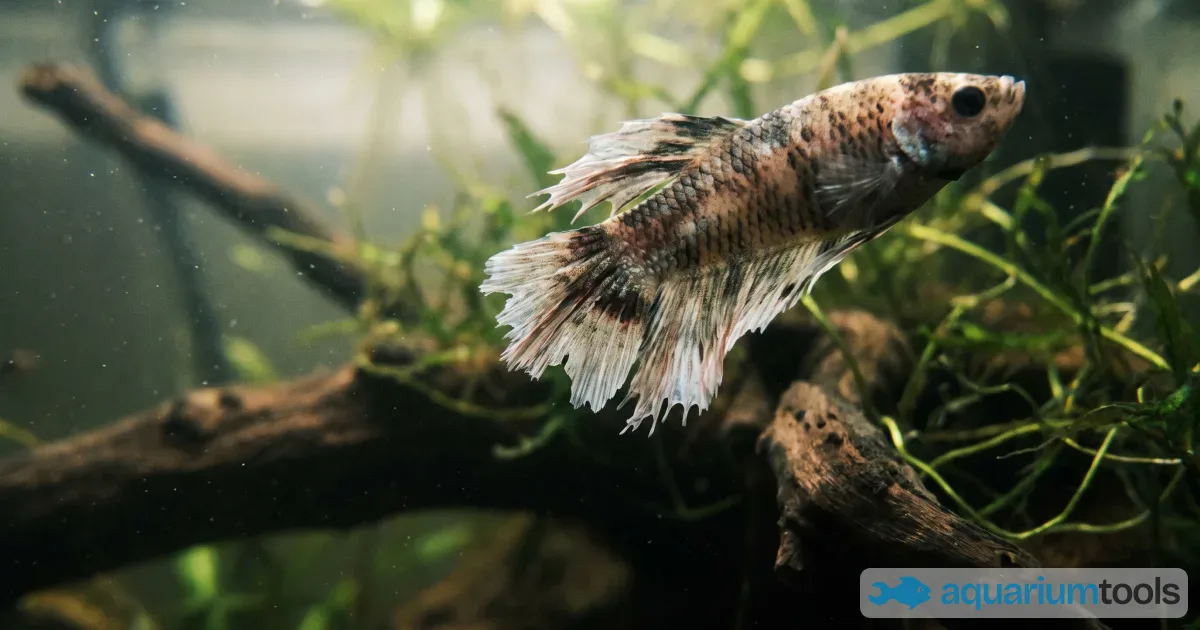
This is typically a bacterial infection, often secondary to injuries or poor environmental conditions.
Visible symptoms
- Fin edges that are frayed, opaque or blackened.
- Progressive erosion of the tissue towards the fish's body.
- Sometimes reddening at the base of the fins.
Main causes
Water rich in nitrogenous substances (ammonia and nitrites), overcrowding, wounds from aggressive tankmates or from sharp decorations.
Treatment
The first step is to improve water quality with regular changes and monitoring of the parameters. In moderate or severe cases, specific antibacterial medications for aquariums are used. Isolating the fish in a hospital tank helps to administer the treatment in a targeted way.
Prevention
Consistent maintenance, appropriate stocking density and removal of decorations with sharp edges.
Oomycete infections ("cotton" or saprolegnia)
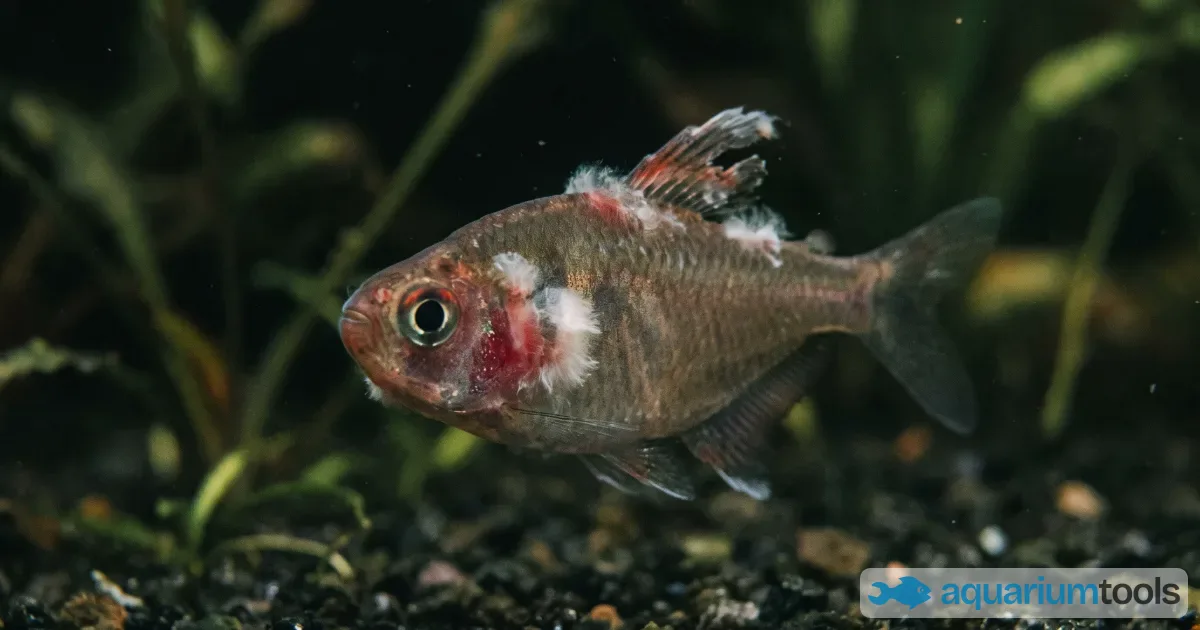
Often improperly called "fungi", these infections are caused by oomycetes such as Saprolegnia and almost always develop on already damaged tissue.
Visible symptoms
- Whitish, cotton-like, fluffy tufts on the body, mouth or fins.
- A frayed appearance of the affected tissue.
- They often appear after wounds, fin rot or untreated ich.
Main causes
Wounds, stress, dirty water and the presence of decaying organic matter.
Treatment
Remove any organic residues and improve the tank's hygiene. There are specific antifungal products; in localised cases a hospital tank can be useful. Treating the underlying cause too (the wound or primary infection) is essential to avoid recurrences.
Prevention
Avoid injuries, keep the water clean and promptly remove uneaten food and dead fish.
Dropsy
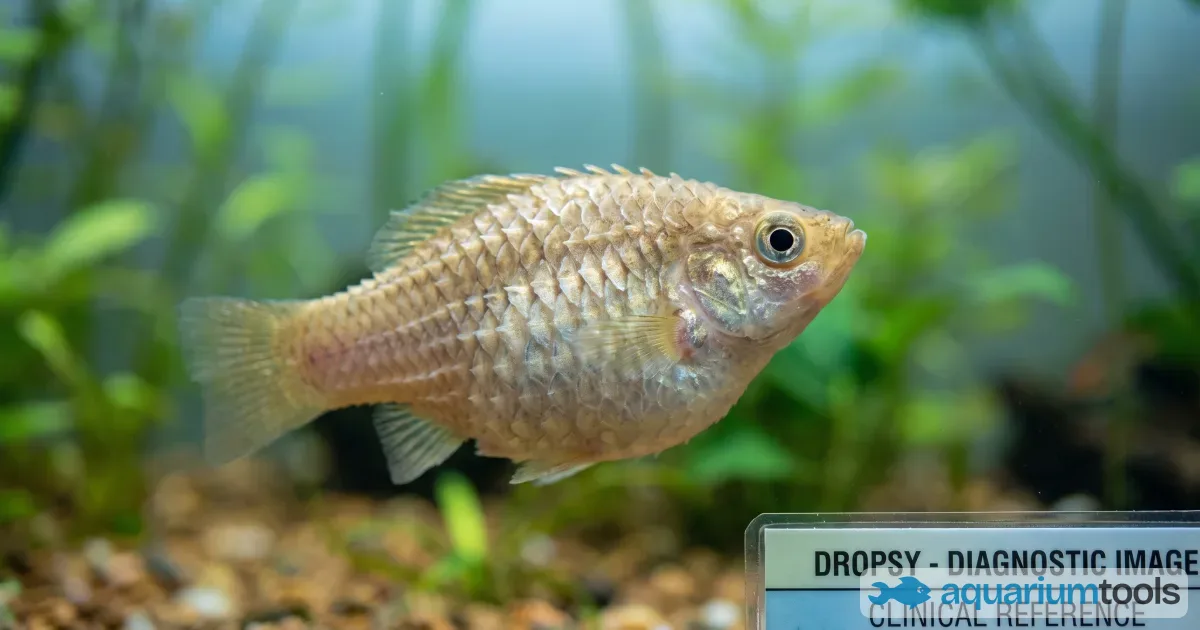
More than a disease, dropsy is a symptom of a serious condition, often linked to internal infections or organ failure.
Visible symptoms
- A swollen, distended abdomen.
- Raised scales, giving the fish its characteristic "pinecone" appearance.
- Protruding eyes, apathy and loss of appetite.
Main causes
Internal bacterial infections, prolonged stress and poor water quality that weaken the immune system.
Treatment
The prognosis is often guarded, especially if the scales are already raised. Isolate the fish immediately, optimise the water parameters and consider antibacterial treatments. Given its severity, this is the typical case in which consulting a veterinarian is strongly recommended.
Prevention
A varied and not excessive diet, quality water and reduction of chronic stress.
Velvet (oodinium)
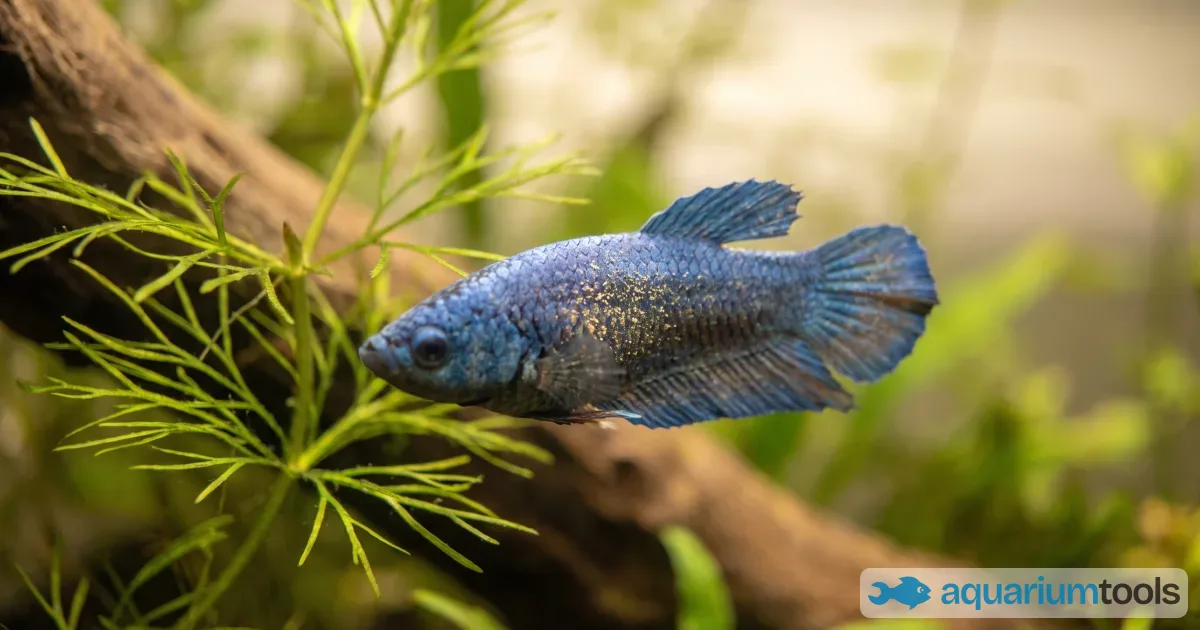
Caused by dinoflagellate parasites of the genus Oodinium/Amyloodinium, velvet is insidious because in its early stages it easily goes unnoticed.
Visible symptoms
- A thin golden or dusty film on the body, best seen with side lighting.
- Laboured breathing and clamped fins.
- Rubbing and progressive wasting.
Main causes
Introduction of infected fish, stress and unstable parameters.
Treatment
Specific products against the parasites are used; since these organisms rely on light, darkening the tank during treatment can help. As this is a disease that can progress rapidly, prompt intervention is decisive.
Prevention
Strict quarantine and stability of the water parameters.
Golden rules for treating (and preventing)
Many of these diseases share the same underlying causes: poor water and stress. By acting on these two factors you drastically reduce the risk of your fish falling ill.
- Test the water regularly: ammonia and nitrites must be at zero.
- Partial, regular water changes keep the environment stable.
- Don't overcrowd the tank and choose compatible species.
- Feed in moderation, varying the diet.
- Quarantine every new arrival, whether fish or plant.
- Always follow the dosages and timings indicated by the products, completing the full course of treatment.
Finally, remember that some medications can harm invertebrates, plants or the biological filter: always read the instructions and, when in doubt, treat the fish in a hospital tank. Faced with serious cases, persistent symptoms or entire groups affected, the best advice remains to consult a veterinarian experienced in aquatic animals.
All material on this site is protected by copyright. Partial or total copying and republishing without authorization is not allowed.
Comments
Join the conversation
Create a free account to leave a comment. It only takes a minute and you'll come right back here.
No comments yet. Be the first to share your experience.