Southeast Asian blackwater biotope: the ideal swamp for Bettas
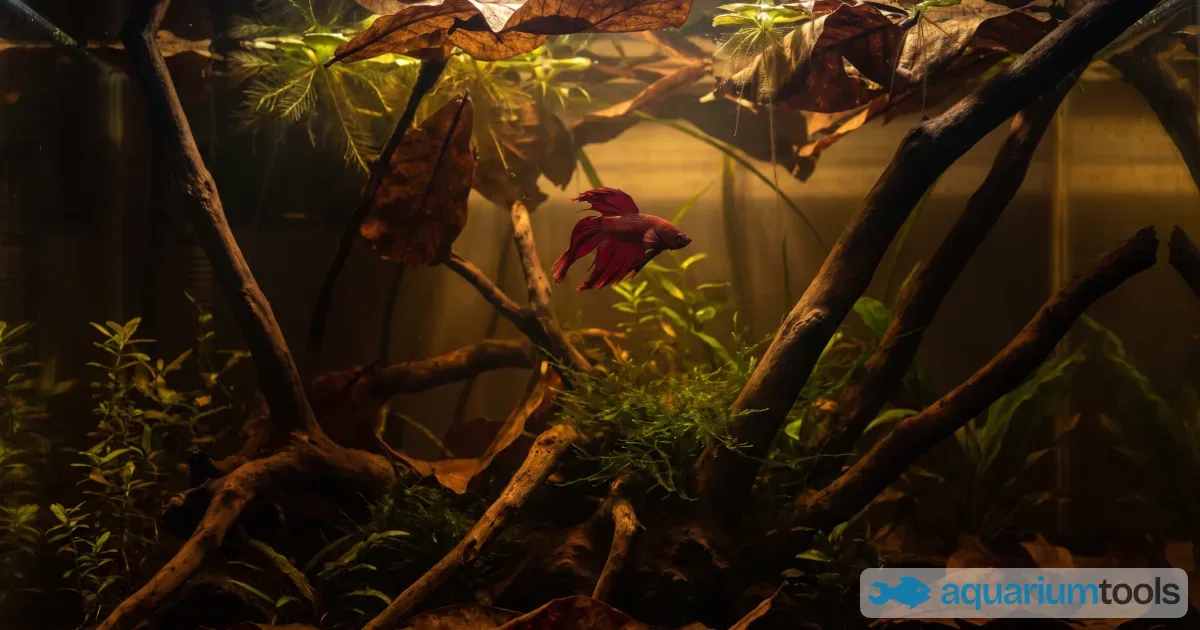
Picture a pool of still water in the heart of the rainforest, shaded by towering trees. The surface is dark like tea or whisky, the bottom is covered with fallen leaves and branches, and among the floating roots swims a small Betta with astonishing colours. This is the Southeast Asian blackwater biotope, one of the most fascinating and surprisingly accessible environments to reproduce at home. In this article I explain step by step how to recreate it, even if you are approaching biotopes for the first time.
What a blackwater biotope is
"Blackwater" refers to watercourses and peat-swamp pools typical of Indonesia, Malaysia and Borneo. The amber colour is not dirt: it comes from the tannins and humic acids released by leaves, wood and peat slowly decomposing on the forest floor. This process makes the water very acidic, low in minerals and slightly "antiseptic", creating a unique environment where perfectly adapted species live.
The goal of a biotope aquarium is not only aesthetic: it is about recreating environmental conditions that are consistent with one another, so that parameters, decor, plants and fish all tell the same story.
The water parameters
The dominant feature of these environments is acidity combined with a scarcity of salts. Here are the reference values:
| Parameter | Recommended value |
|---|---|
| pH | 4.5 - 6.0 (very acidic) |
| Hardness (GH) | very low, 0 - 4 dGH |
| KH (carbonate hardness) | almost none, 0 - 2 dKH |
| Temperature | 24 - 28 °C |
| Water colour | amber, from light to dark tea |
To achieve these values it is best to start from reverse-osmosis water or very soft water, because tap water, often rich in carbonates, tends to "buffer" and keep the pH high. The tannins and acids released by natural materials will then bring the pH down gradually and steadily.
Warning: a very low pH slows down or stops the traditional nitrogen cycle. For this reason a blackwater aquarium requires careful management, a small population and regular water changes with equally soft water.
The decor: wood, leaves and roots
The decor is what generates the tannins and gives the tank its character. Here are the key elements:
- Wood and roots: mangrove roots, "spiderwood"-type driftwood or interwoven branches create hiding places and release tannins for months. Roots that seem to descend from above recall the trees of the forest.
- Dry leaves (leaf litter): the true heart of the biotope. Catappa leaves (Indian almond) are the best known, but oak or beech leaves collected clean also work well. They cover the bottom, colour the water and host microorganisms.
- Substrate: fine dark sand or a thin layer of peat/acidifying substrate. The natural bottom is often almost invisible beneath the leaves.
- Floating roots: letting some wood or plants reach the surface recreates the typical shade of the undergrowth, much appreciated by Bettas.
Over time the layer of leaves decomposes: it is completely normal to replace them or add new ones every few weeks to maintain colour and acidity.
Lighting
In nature little light filters through the vegetation and the dark water. So use soft lighting and consider a few floating plants to create shade. This reduces the fishes' stress and enhances their colours.
The typical plants
Acidic, soft and dimly lit water is not paradise for demanding plants, but there are hardy species that suit the environment:
- Java fern (Microsorum pteropus): tough, it grows anchored to wood and roots and does not fear low light.
- Mosses (such as Java moss): perfect for covering wood and offering shelter to fry and shrimp.
- Cryptocoryne: many species come precisely from these areas and tolerate soft, shaded water well.
- Floating plants: useful for shade, they also help keep water quality stable.
Remember that in a biotope the vegetation is often sparse: wood and leaves remain the real protagonists.
Fish that suit the biotope
The undisputed star is the Betta. The famous Betta splendens is an excellent starting point, but there are numerous less flashy and equally fascinating species, often perfect for blackwater:
- Betta splendens: to be kept singly (males are territorial). It loves warm, still, shaded water.
- "Wild" Bettas: species such as schooling Bettas, some of which are mouthbrooders, live precisely in blackwater peat swamps and can be kept in small groups (always research their specific needs).
- Rasbora and Chili Rasbora (Boraras brigittae): small schooling fish with bright colours that stand out beautifully against the dark water. They should be kept in large groups.
- Shrimp: some species tolerate soft, acidic water; they do useful cleaning work among leaves and mosses.
The golden rule is consistency: choose species that in nature would share the same habitat, avoid overly large populations and favour a few healthy fish.
How to get started, step by step
- Set up a bottom of dark sand or acidifying substrate.
- Position the wood and roots, leaving some near the surface.
- Add the plants (ferns and mosses anchored to the wood).
- Fill with soft or osmosis water and add a layer of dry leaves.
- Wait for the water to colour and the parameters to stabilise, letting the tank mature.
- Introduce the fish gradually, starting with the hardier schooling species.
Maintenance and final tips
A blackwater biotope requires slightly different management from a classic aquarium. Carry out regular water changes but always with soft water at a similar temperature, so as not to raise the pH abruptly. Monitor pH and hardness often, avoid overly strong water movement (these environments are almost still) and do not be afraid of the amber colour: it is the sign that your ecosystem is working.
Recreating a Southeast Asian peat swamp is a fascinating project and surprisingly relaxing to watch. With a little patience and attention to the parameters, you can offer your Bettas an environment faithful to their origins, where they will express the best of their natural colours and behaviours.
Keep reading
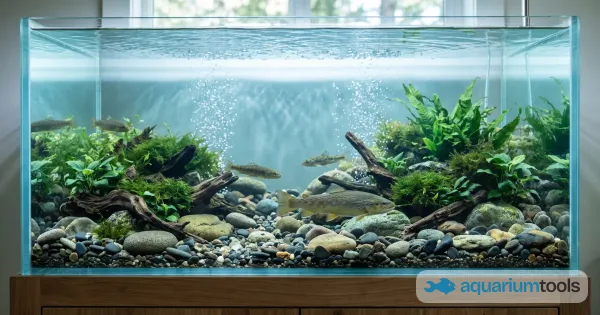
European Stream Biotope: Setting Up an Aquarium With Native Fish
An uncommon yet fascinating approach: recreating a European stream in an aquarium with fresh, well-oxygenated water and often overlooked native species. Here's how to set it up correctly and in compliance with regulations.
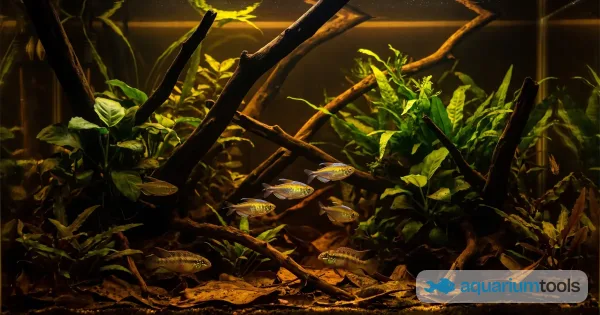
Congo River Biotope: An Underrated African Ecosystem
Discover the Congo basin biotope: acidic, tinted waters, submerged wood, dwarf cichlids, Congo tetras and catfish. A practical guide to recreating it in your aquarium.
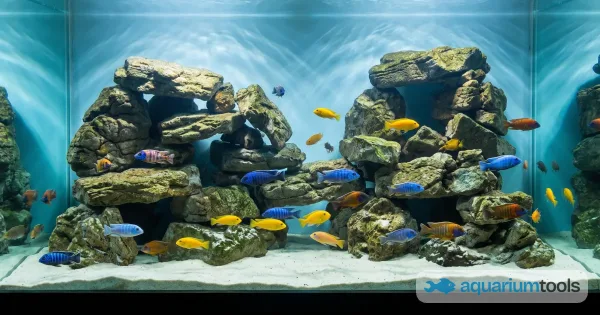
Lake Malawi Biotope: Rocks, Cichlids and Hard Water
A practical guide to recreating the Lake Malawi environment in your aquarium: alkaline, hard water, a rockscape with caves, pale sand and a selection of Mbuna and Peacock cichlids, with the rules for managing aggression and stocking.
All material on this site is protected by copyright. Partial or total copying and republishing without authorization is not allowed.
Comments
Join the conversation
Create a free account to leave a comment. It only takes a minute and you'll come right back here.
No comments yet. Be the first to share your experience.