Diana Walstad and the Natural Method for the Planted Aquarium
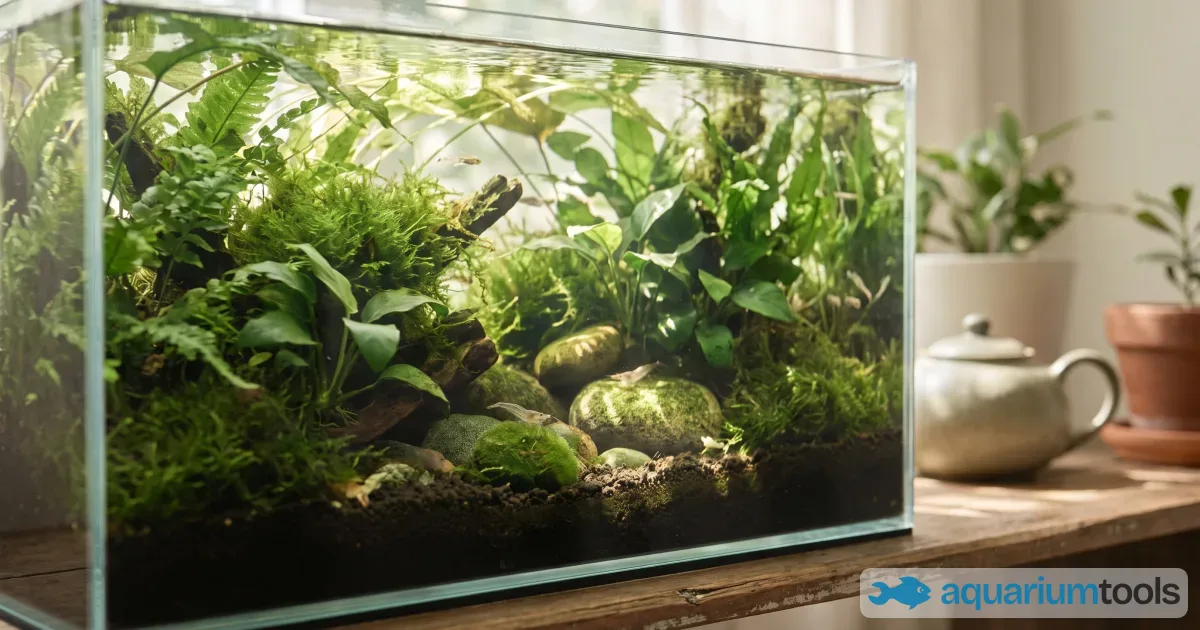
In the world of planted aquarium keeping there are two major philosophies: the high-tech one, made of CO2 injection, powerful lighting and fertilization dosed to the milligram, and the so-called low-tech one, which aims to recreate a biological balance that is as self-sustaining as possible. If the second approach today has thousands of enthusiasts all over the world, much of the credit goes to one person: Diana Walstad, an American microbiologist and author who managed to combine the rigor of biology with the practicality of the everyday hobbyist.
Who is Diana Walstad
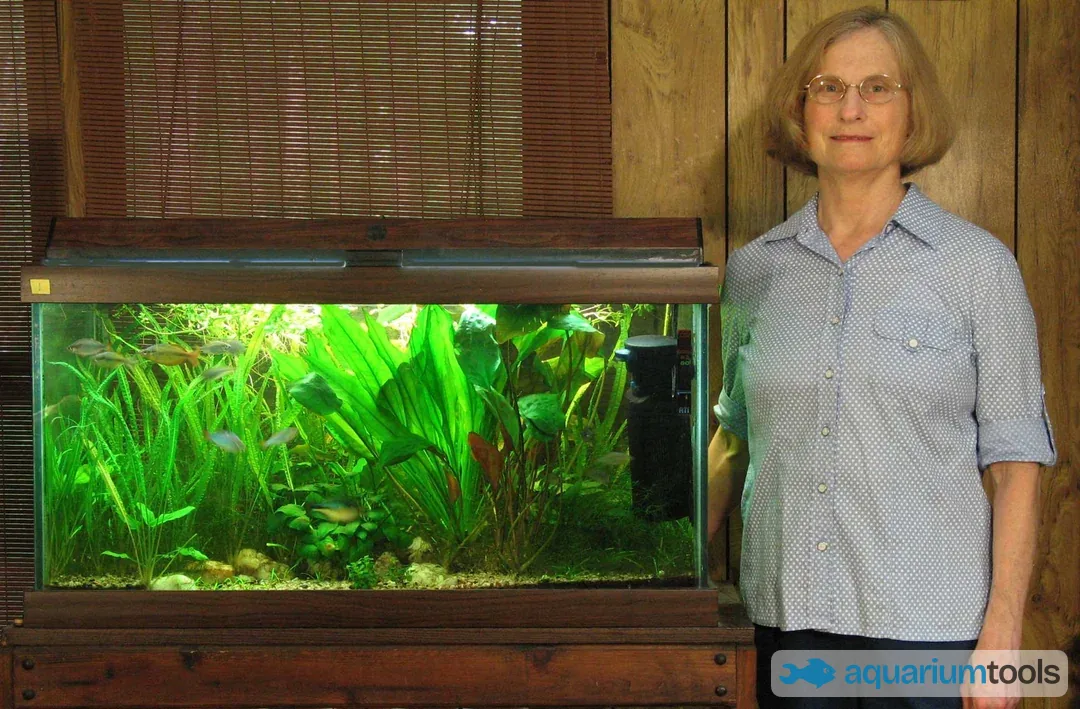
Diana Walstad is an American aquarist with a scientific background in biology and microbiology. She lives in North Carolina and has become an internationally recognized figure thanks to her book Ecology of the Planted Aquarium: A Practical Manual and Scientific Treatise for the Home Aquarist, first published in the late 1990s and later revised in new editions.
What makes her figure special is precisely the angle of her work: not a simple practical manual, but an attempt to explain why things work in a planted aquarium, integrating concepts of ecology, water chemistry and substrate microbiology. Her approach transformed what was a niche method into a genuine movement, today known as the "Walstad method" or Natural Planted Tank (NPT).
The book that inspired a method
Ecology of the Planted Aquarium is not a recipe book of dosages, but a text that invites readers to understand the natural dynamics that govern a tank. Walstad addresses topics such as the nutrient cycle, the role of bacteria, the competition between plants and algae, the uptake of substances by the roots, and the importance of the substrate as the biological heart of the aquarium.
The book has enjoyed enormous circulation because it speaks two languages at once: that of the scientist, with references to the literature, and that of the hobbyist who simply wants a healthy aquarium without spending a fortune on equipment. This dual soul is probably the main reason for its lasting success.
The principles of the Walstad method
The natural method revolves around one central idea: if a stable biological balance is created, the aquarium tends to maintain itself, with minimal intervention from the aquarist. Here are the fundamental pillars.
1. Organic substrate as the engine of the tank
The most recognizable feature of the method is the use of a thin layer of common garden soil (free of chemical additives), covered by a layer of gravel or inert sand. The soil acts as a reservoir of nutrients for the roots and, as it decomposes, feeds the biological processes of the bottom. It is the substrate, and not water fertilization, that nourishes the plants.
2. No CO2 injection
One of the points that makes this approach "low-tech" is the absence of CO2 systems. The decomposition of organic matter in the substrate and the biological activity of the tank provide carbon dioxide naturally. This results in slower plant growth, but also in much simpler and less stressful management.
3. Fertilization reduced to a minimum
In a well-established tank, much of the nutrients come from the substrate and from the waste produced by fish and organisms. For this reason the method calls for very limited or absent artificial fertilization, in stark contrast to high-tech systems that dose macro- and micronutrients daily.
4. Moderate lighting and slow rhythms
Walstad favors restrained lighting compared to the standards of high-tech tanks. Moderate light reduces the plants' demand for CO2 and nutrients, helping to keep the system in balance and to limit the proliferation of algae.
5. Reduced maintenance
One of the aspects that most attracts enthusiasts is the light maintenance. With a balanced system, water changes can be infrequent and interventions focus on pruning and observation, rather than on constant technical management.
Plants versus algae: biological competition
A key concept in Walstad's thinking is the competition between higher plants and algae. When plants grow healthily and efficiently absorb the available nutrients, they tend to deprive algae of resources, helping to keep them under control. From this perspective, a rich, well-planted aquarium is the best defense against algae, more so than any chemical treatment.
Why this approach has won over so many aquarists
The Walstad method has influenced an important part of the aquarium community for several reasons. The first is practical and economic: doing without CO2, complex fertilization and intense lighting lowers the costs and the complexity of management, making the hobby accessible even to those with little time or a limited budget.
The second reason is philosophical. In a sector increasingly oriented toward technology, the idea of working with nature instead of against it resonates with many enthusiasts. Watching a small ecosystem that regulates itself offers a different kind of satisfaction compared to the millimeter-precise control typical of high-tech tanks.
It must be said, in fairness, that the method requires patience and is not without challenges. Starting a tank with an organic substrate can involve nutrient releases and a delicate initial phase, and the results are not as immediate as in a heavily fertilized system. There is no absolutely "best" method: it is a matter of choosing the approach best suited to your goals and your style.
A legacy that continues
Diana Walstad's influence goes beyond a single book. Her way of sharing knowledge, combining biological evidence with practical advice, gave scientific dignity to the world of the "natural" aquarium and stimulated a community that continues to experiment, discuss and refine the method. For those who want to approach the planted aquarium with a simple, sustainable method attentive to biological balance, her work remains an essential point of reference.
Sources
- Diana Walstad, Ecology of the Planted Aquarium: A Practical Manual and Scientific Treatise for the Home Aquarist, Echinodorus Publishing.
- The author's official website: dianawalstad.com (articles and educational materials on the natural method).
- Materials and discussions from the international aquarium community dedicated to the "Walstad method" / Natural Planted Tank.
- Pic from Facebook
Keep reading
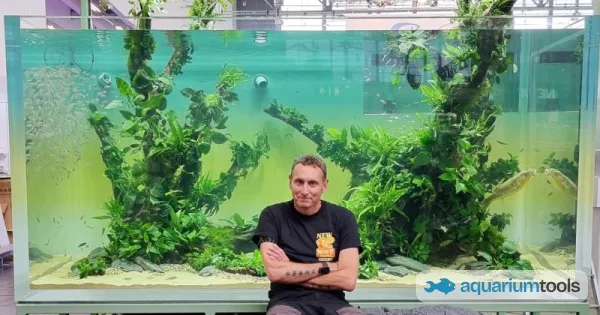
Oliver Knott: German Aquascaping Between Art and Technique
A portrait of Oliver Knott, one of the most recognised German aquascapers: a personal style, spectacular layouts and an intense teaching activity that has helped spread aquascaping across Europe.
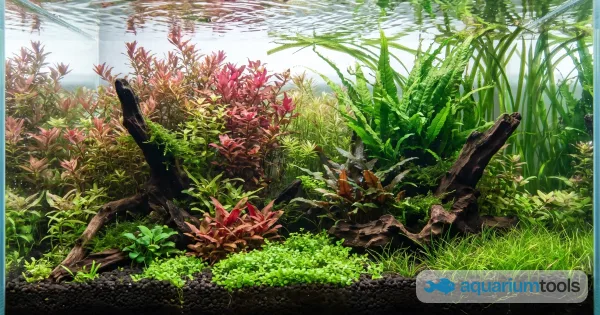
Christel Kasselmann: the botanist who mapped aquarium plants
A portrait of Christel Kasselmann, German botanist and author of the reference work on aquarium plants: her fieldwork, her books and her legacy for the hobby.
George Farmer: aquascaper and educator between past and present
A portrait of George Farmer, the British aquascaper known for his planted aquariums and his intense educational work spanning magazines, videos and workshops. A profile covering style, community and educational content.
All material on this site is protected by copyright. Partial or total copying and republishing without authorization is not allowed.
Comments
Join the conversation
Create a free account to leave a comment. It only takes a minute and you'll come right back here.
No comments yet. Be the first to share your experience.